Missed calls
The first reply usually wins the job
Not the cheapest quote, not the best reviews. When three businesses get the same enquiry, the one that answers first is the one that gets the conversation, and the conversation is most of the sale.
Hardpoint Systems4 min read
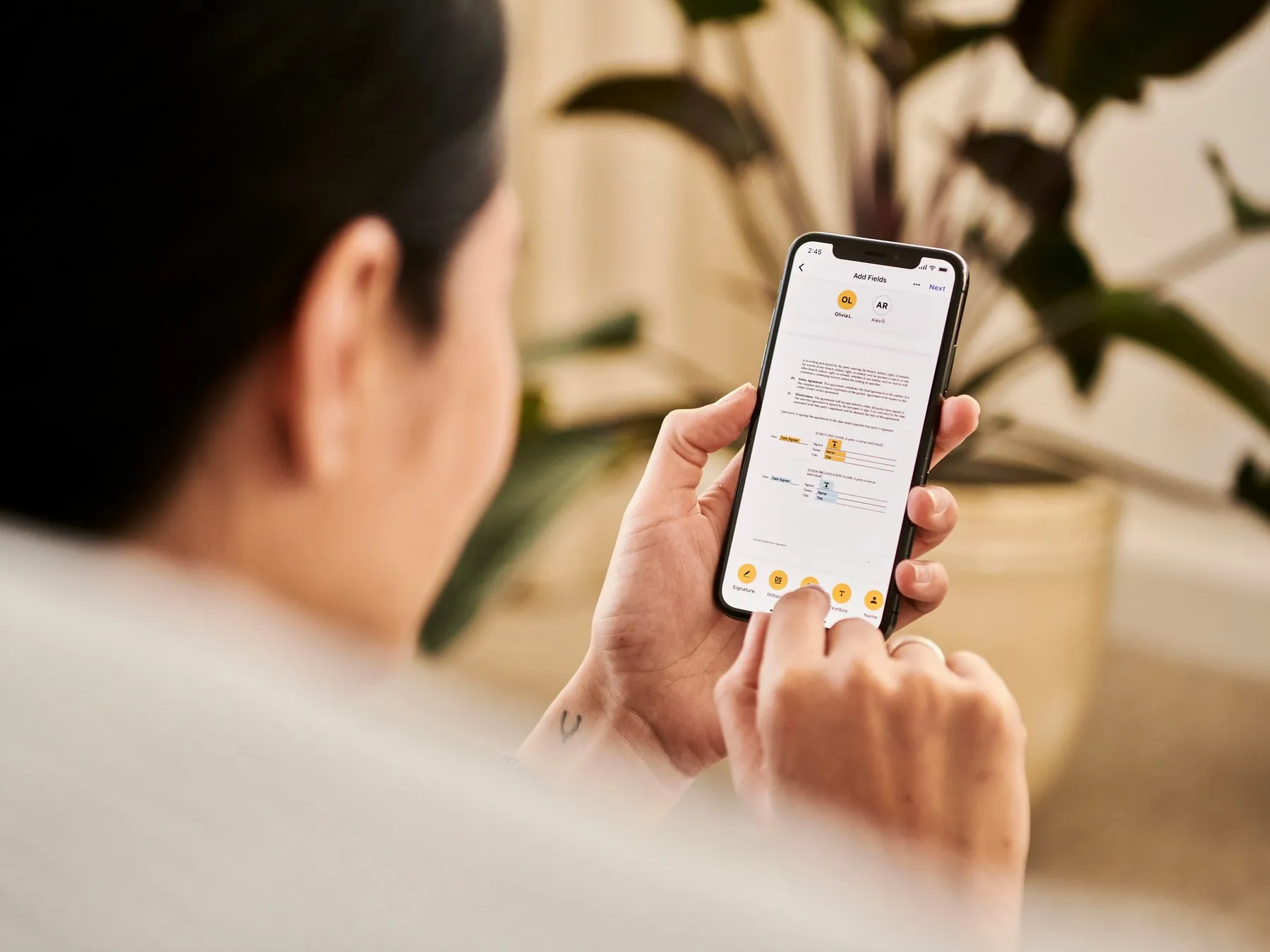
Think about how you find a tradesperson when something breaks at home. You search, you open two or three that look alive, and you send the same message to all of them. Then you wait.
Whoever answers first gets to ask the questions. Whoever asks the questions gets to understand the job. Whoever understands the job quotes it properly, and by the time the second business replies you are already halfway to booking the first one.
That is the whole mechanism, and it has nothing to do with being the best. It has to do with being present at the moment the customer is deciding.
The window is shorter than it feels
An enquiry that arrives at 8:40 in the evening is not a lead you can pick up in the morning. By the morning it has been answered by somebody who was faster, or the customer has cooled off and decided to live with the dripping tap for another month.
The reason is not impatience. It is that the customer’s attention is only on the problem for a short stretch, usually while they are looking at it. A reply inside that stretch lands while the problem is real. A reply the next day lands while they are at work thinking about something else.
What “first” actually requires
It does not require you to sit by the phone. It requires three things:
- Something answers immediately, in your name, so the customer knows a real business saw the message. Not a quote, just an acknowledgement and one useful question.
- The question is the right one. “Is it gas or electric?” or “Roughly where are you?” moves the job forward while you are still on a ladder.
- You pick it up when you can, and the thread is already warm. The customer is not starting over; they are continuing.
That is what a sixty-second first reply does. It is not automation for its own sake. It is you, present, at the one moment presence decides the outcome.
A worked example, with made-up numbers
Say you get ten enquiries a week and, being honest, you answer four of them inside an hour. The other six wait until the evening or the next morning.
If a quick reply wins you the conversation half the time and a slow one wins it a quarter of the time, that is two jobs from the fast four and one and a half from the slow six. Move all ten into the fast column and you are at five. Same enquiries, same prices, same work; you just showed up sooner.
Your own numbers will be different. The shape will not.
The part people get wrong
The temptation is to make the first reply do too much: a full quote, a calendar link, a paragraph about your qualifications. That reads as a machine, and it invites the customer to compare instead of talk.
Keep it human and short. “Hi, this is Tom, sorry I missed you, I am on a job. What can I help with?” wins more conversations than anything longer, because it sounds like the person who is going to turn up.